


Understanding the Key Differences Between Hunter Jumper and Dressage

Horse riding offers a variety of disciplines, each with its own style, goals, and techniques. Among the most popular are hunter jumper and dressage. While both involve skilled horsemanship and elegant movement, they differ significantly in purpose, training, and competition style. Understanding these differences helps riders choose the right path and appreciate the unique qualities of each discipline.
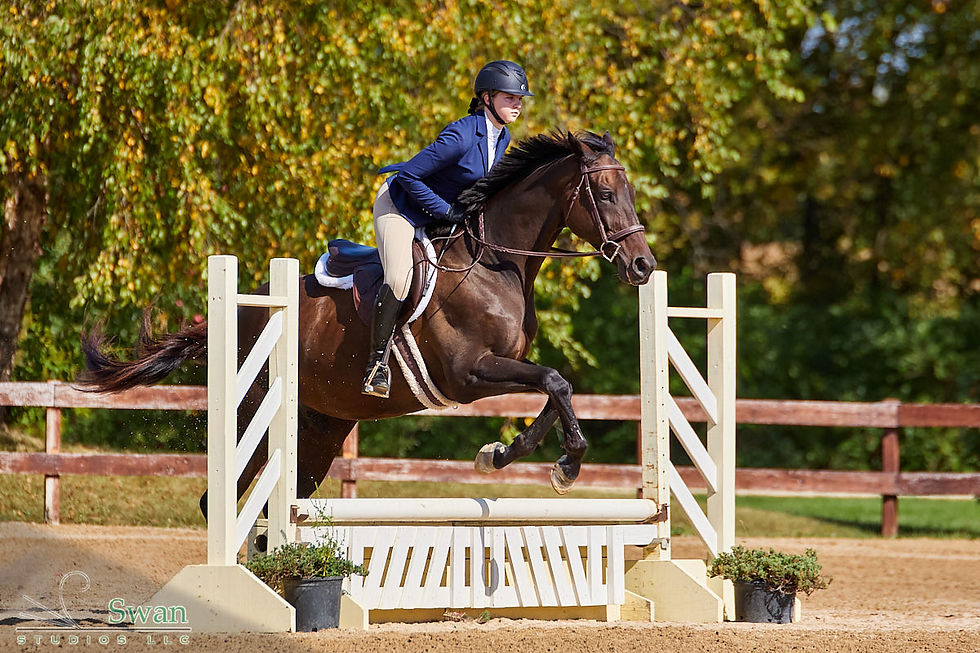
What Is Hunter Jumper?
Hunter jumper is a discipline focused on jumping over fences with style, precision, and smoothness. It originated from fox hunting, where horses needed to clear natural obstacles gracefully and safely. Today, hunter jumper competitions test the horse’s ability to jump cleanly and maintain a steady, flowing rhythm.
Key Features of Hunter Jumper
Jumping Style: The horse must jump with a round, smooth arc, showing good form over fences.
Course Design: Courses include a series of fences such as verticals, oxers, and combinations, arranged to test rhythm and control.
Judging Criteria: Judges score based on the horse’s style, consistency, and overall impression rather than speed.
Rider Position: Riders maintain a forward, balanced seat, allowing the horse freedom to jump naturally.
Attire and Tack: Traditional attire includes hunt coats, breeches, and tall boots. Tack is simple and functional, emphasizing control and comfort.
Hunter jumper competitions emphasize the horse’s manners and smoothness. A horse that rushes or refuses fences loses points, so calmness and rhythm are essential.
What Is Dressage?
Dressage is often described as “horse ballet.” It focuses on the horse’s obedience, flexibility, and precision in performing a series of predetermined movements. Dressage tests the harmony between horse and rider, showcasing training and athleticism.
Key Features of Dressage
Movement: Horses perform movements like piaffe, passage, and flying changes with accuracy and grace.
Test Structure: Riders follow a set pattern in an arena, performing movements judged on correctness and fluidity.
Judging Criteria: Judges score each movement on quality, rhythm, impulsion, and rider effectiveness.
Rider Position: Dressage riders sit deep and upright, using subtle aids to communicate with the horse.
Attire and Tack: Dressage attire is formal, including tailcoats and white breeches. Tack includes a snaffle or double bridle to allow refined control.
Dressage demands intense training and communication. The horse must respond instantly to the rider’s cues, demonstrating balance and suppleness.
Differences in Training and Goals
Training for hunter jumper and dressage varies greatly because the goals differ.
Hunter Jumper Training
Focuses on building confidence over fences.
Emphasizes rhythm, pace, and smooth turns.
Includes flatwork to improve balance but prioritizes jumping skills.
Horses learn to approach fences calmly and jump efficiently.
Dressage Training
Develops strength, flexibility, and responsiveness.
Trains the horse to carry itself in a balanced frame.
Involves repetitive practice of precise movements.
Builds a deep partnership between horse and rider through subtle communication.
Differences in Competition Environment
Hunter jumper and dressage competitions also differ in atmosphere and setup.
Hunter Jumper Shows
Held outdoors or indoors with jumping courses.
Courses change each round, requiring adaptability.
Judging is subjective, focusing on style and manners.
Often includes multiple rounds, such as hunter over fences and under saddle classes.
Dressage Shows
Conducted in a rectangular arena with marked letters.
Riders perform set tests from beginner to advanced levels.
Judging is detailed and scores are numerical.
Shows emphasize precision and consistency.
Choosing Between Hunter Jumper and Dressage
Riders should consider their interests, goals, and horse’s abilities when choosing a discipline.
If you enjoy jumping and a dynamic, fast-paced environment, hunter jumper may be a better fit.
If you prefer detailed training, precision, and developing a deep connection with your horse, dressage offers that challenge.
Some riders compete in both, as flatwork skills from dressage improve jumping performance.
Practical Tips for Beginners
Try Both Disciplines: Take lessons or watch competitions to see which style resonates with you.
Assess Your Horse: Some horses excel in jumping, others in dressage movements.
Focus on Fundamentals: Good riding basics apply to both disciplines.
Find Experienced Trainers: Quality instruction is key to progress.
Attend Shows: Observing competitions helps understand expectations and atmosphere.
Understanding the differences between hunter jumper and dressage reveals how diverse and rewarding horse riding can be. Each discipline offers unique challenges and rewards, shaping the rider’s skills and the horse’s abilities in distinct ways. Whether you choose the elegance of dressage or the excitement of hunter jumper, both paths lead to a deeper appreciation of horsemanship and partnership.
Comments